Lifting equipment is crucial for businesses involved in construction, material handling or manufacturing. The right lifting equipment can significantly improve efficiency, productivity and safety on a worksite. That being said, many industrialists end up choosing the wrong type of lifting machines, which can lead to delays, safety risks and other costly outcomes.
In this blog, we will briefly explore some of the common mistakes to avoid while purchasing lifting equipment such as cranes and hoists, helping businesses to make smarter decisions for long-term productivity.
Top Mistakes To Avoid When Purchasing Lifting Equipment
1. Overlooking Project Requirements
One of the common mistakes companies make is overlooking their project requirements. Different projects demand lifting equipment such as cranes with varying load capacities and arm reach. Many companies fail to conduct a detailed analysis of their daily loads.
Underestimating the load and choosing a crane that can lift slightly more than its capacity may work daily, but it can lead to excessive stress buildup over time and cause wear or equipment failure.
Similarly, purchasing a crane with high capacity as a precaution can result in higher costs and operational expenses.
Solution
Make sure to accurately assess the project requirements, which include the load capacity, lifting frequency, height and several other factors and choose equipment that well suits these demands.
2. Ignoring Safety Standards
Lifting equipment, especially in the case of crane operations, safety is non-negotiable. At times, companies tend to overlook equipment verification and safety compliance. This often happens when the upfront cost is considered above long-term safety. Safety systems such as overload protection, emergency stops and the like are installed for a reason. Lack of inspection can cause serious damage.
Solution
Always check for industrial safety certifications such as ISO, CE or BIS compliance. Inspect the equipment thoroughly and make sure that the safety systems, such as emergency stop, overload alarm and anti-sway systems, are functioning.
3. Focus On Price Over Quality
While opting for equipment at low cost seems profitable at first, it can eventually lead to costly consequences like frequent breakdowns and replacements. Low-quality equipment can cause immense safety risks as well.
Solution
Focus on the overall quality of the equipment. Consider key factors such as built quality, safety features, compliance with standards and supplier reputation. Investing in a high-quality machine with a slightly high upfront cost will definitely lead to cost savings in the long term.
4. Poor Maintenance and Service Support
Purchase and operation isn’t the end of the story- production has to go on, so does the equipment, with minimal wear. No matter how advanced the equipment is, without proper maintenance service and access to spare parts, companies will face costly downtime.
Solution
Purchase lifting equipment from reputable suppliers and ensure that they provide proper after-sales and maintenance support. Make sure spare parts are accessible. Reliable service networks are crucial to minimize downtime.
5. Lack of Operator Training
This is yet another grave mistake that often results in dangerous impacts. Failing to provide proper operator training can lead to improper use of equipment, causing serious damage to the equipment and the personnel alike.
Solution
Mandatory equipment training must be given to all the operators. This includes operating procedures, load limits and the safety systems. Ensure that they are equipped to face any adverse situations.
Conclusion
In short, buying any lifting machinery is about understanding its working principles and ensuring that it fits well into the workspace. Ignoring safety features, load limit, operator training and maintenance service can lead to costly consequences, drastically affecting overall productivity and workplace safety. It is important to consider these factors and make an informed decision while choosing the right lifting equipment.
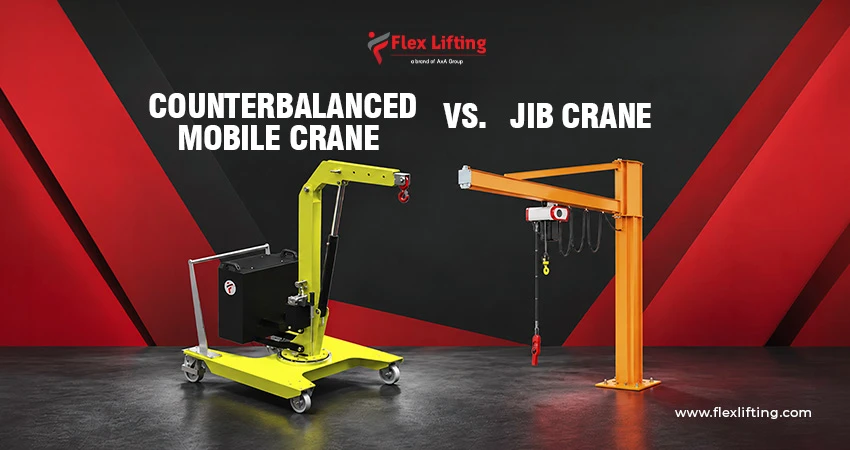
Partnering with reliable lifting equipment manufacturers like Flex Lifting will help you choose the right lifting solution suited to your project requirements. Our range of counterbalanced mobile cranes are durable, sturdy and ensures safe and stable lifting of hefty components.