An average person looks at a skyscraper and wonders how it was built. An engineer, on the other hand, visualizes the entire process—materials, sequencing, lifting operations, and above all, the equipment that makes it possible.
Among these, cranes play a fundamental role.
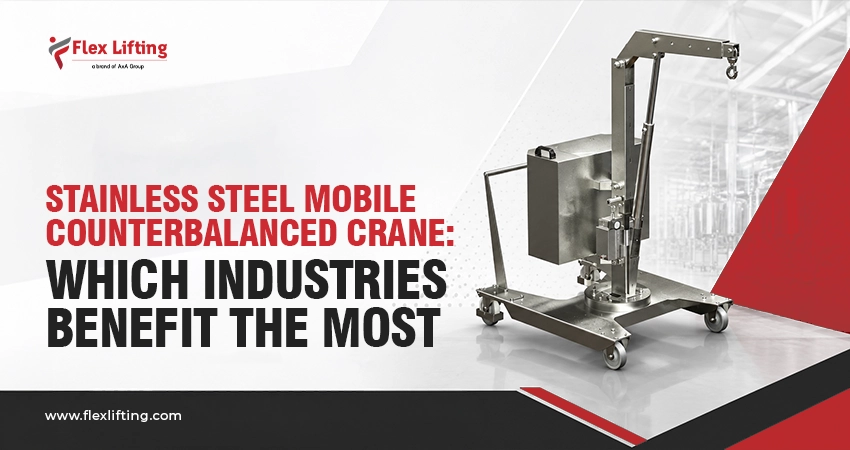
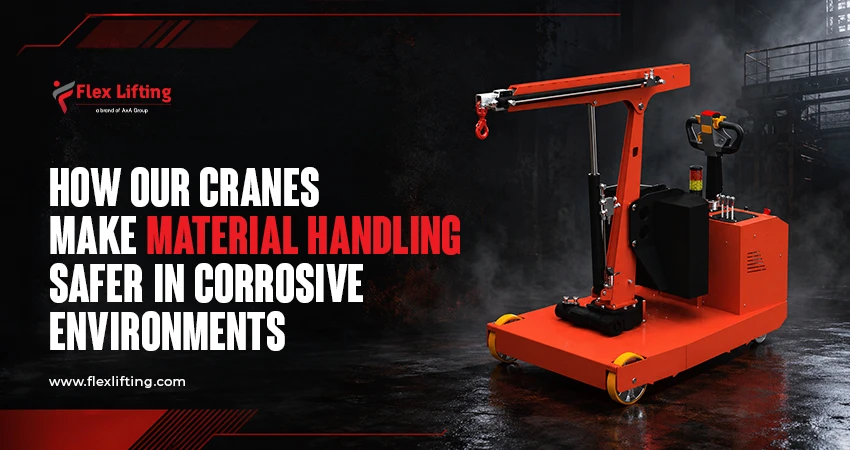
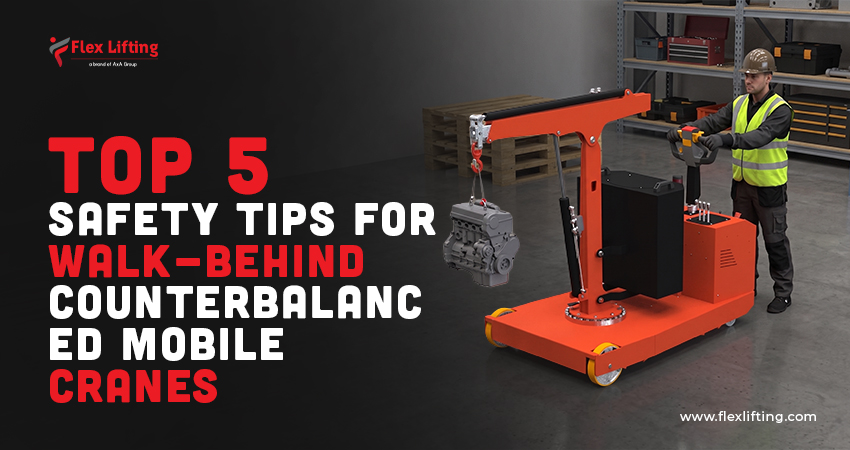
In today’s European industrial and construction environments, walk-behind counterbalanced mobile cranes represent a highly efficient evolution of lifting technology. Compact, maneuverable, and designed for precision handling, these machines are ideal for confined spaces, indoor applications, and environments where traditional lifting equipment falls short.
However, their versatility must always go hand in hand with strict compliance to European safety regulations, including the Machinery Directive 2006/42/EC, EN 13155, and ISO 12100.
1. Verify Mechanical Condition and CE Compliance
Before starting any operation, operators must ensure that the crane is in optimal working condition.
This includes:
- Wire ropes, chains, and hooks
- Braking systems and steering controls
- Hydraulic or electric systems
- Safety devices (limiters, emergency stop, overload protection)
In the EU, every crane must be supplied with:
- CE marking
- Declaration of Conformity
- User and maintenance manual
Routine inspections must follow manufacturer instructions and risk assessment procedures
2. Ensure Stable and Adequate Ground Conditions
Even though walk-behind counterbalanced cranes are designed for flexibility and compactness, ground conditions remain critical.
Before any lift:
- Verify floor load capacity (especially indoors or on elevated slabs)
- Avoid uneven, soft, or sloped surfaces
- Ensure proper weight distribution of the counterbalance system
European best practices emphasize that stability is not optional—it is a primary safety condition, especially when working in industrial environments or refurbishment sites.
3. Always Follow the Load Chart and Rated Capacity
Unlike larger cranes, compact counterbalanced cranes rely heavily on precise load management.
Key factors affecting capacity:
- Load distance (center of gravity vs. hook position)
- Boom extension and configuration
- Counterweight setup
- Attachments (e.g., vacuum lifters, hooks, special tools)
Operators must strictly follow the load chart provided by the manufacturer.
4. Maintain Safe Distance from Electrical Hazards
Working near electrical installations requires strict precautions.
European guidelines recommend:
- Maintaining safe distances from live electrical parts
- Assessing the work area before positioning the crane
- Using signage and barriers when necessary
Although OSHA specifies a 20 ft clearance, in Europe safety distances must comply with national regulations and risk assessments, often defined within the framework of Machinery Directive 2006/42/EC.
5. Ensure Clear Communication and Trained Operators
Walk-behind cranes are often used in tight spaces with limited visibility, making communication essential.
Best practices include:
- Use of trained and authorized operators
- Clear signaling between operator and ground personnel
- Keeping personnel outside the working radius of the crane
- Avoiding simultaneous conflicting operations in the same area
Proper training and coordination significantly reduce risks such as:
- Crushing hazards
- Load swinging
- Uncontrolled movements
Conclusion
Walk-behind counterbalanced mobile cranes are powerful tools that combine mobility, precision, and compact design—making them indispensable in modern European industry and construction.
However, their safe and efficient use depends on:
- Compliance with EU directives
- Proper maintenance and inspections
- Correct load handling
- Safe working conditions
- Effective team coordination
By following these principles, operators can ensure maximum productivity without compromising safety.